
Standing on the Promises
A Devotional Journey of Trust and Faith
Some hymns don’t just sound like faith — they train faith.
“Standing on the Promises” is one of those songs. It plants your feet. It gives your soul something solid to lean on when life feels shaky. It reminds you that faith is not wishful thinking, not positive vibes, not pretending everything is fine. Faith is choosing to put your weight on what God has said — because God cannot lie.
That’s why this hymn has lasted for generations. It’s a battle song for weary believers. A steady rhythm for anxious hearts. A declaration for anyone who’s ever whispered, “Lord, I’m trying… but I don’t know what to do next.”
And maybe that’s where you are today.
Maybe you’re facing a season of uncertainty — family concerns, financial stress, health issues, grief, loneliness, or the exhausting kind of waiting that makes time feel heavy. Or maybe nothing is “wrong,” exactly… but you still feel unsteady inside, like you’re walking on shifting sand.
This hymn offers a simple but powerful invitation: Don’t just memorize God’s promises. Stand on them.
A Hymn With A Marching Rhythm
“Standing on the Promises” was written in 1886 by Russell Kelso Carter (1849–1928), who wrote both the text and the tune. (Hymnary) Carter had connections to a military academy, and hymn scholars have noted the song’s strong, “martial” musical style — which fits the theme perfectly. (UMC Discipleship)
That matters because the Christian life isn’t described in Scripture as a leisurely stroll. It’s often pictured as a race to run, a fight to fight, armor to wear, ground to hold. We aren’t saved by our strength — but we are called to stand firm in the strength God provides.
And what do you stand on when life hits hard?
Not your emotions.
Not your circumstances.
Not the opinions of other people.
Not even your own “best intentions.”
You stand on the promises of God.
What are God’s promises, really?
A promise is only as trustworthy as the one who makes it.
People mean well, but we’re limited. We forget. We overcommit. We misunderstand. We change our minds. Even our most sincere promises can fail under pressure.
But God’s promises are different.
Scripture says, “No one is like you, Lord… You are God; your covenant is trustworthy.” (See 2 Samuel 7:22, 28.) And one of the strongest anchors in the whole Bible is this truth:
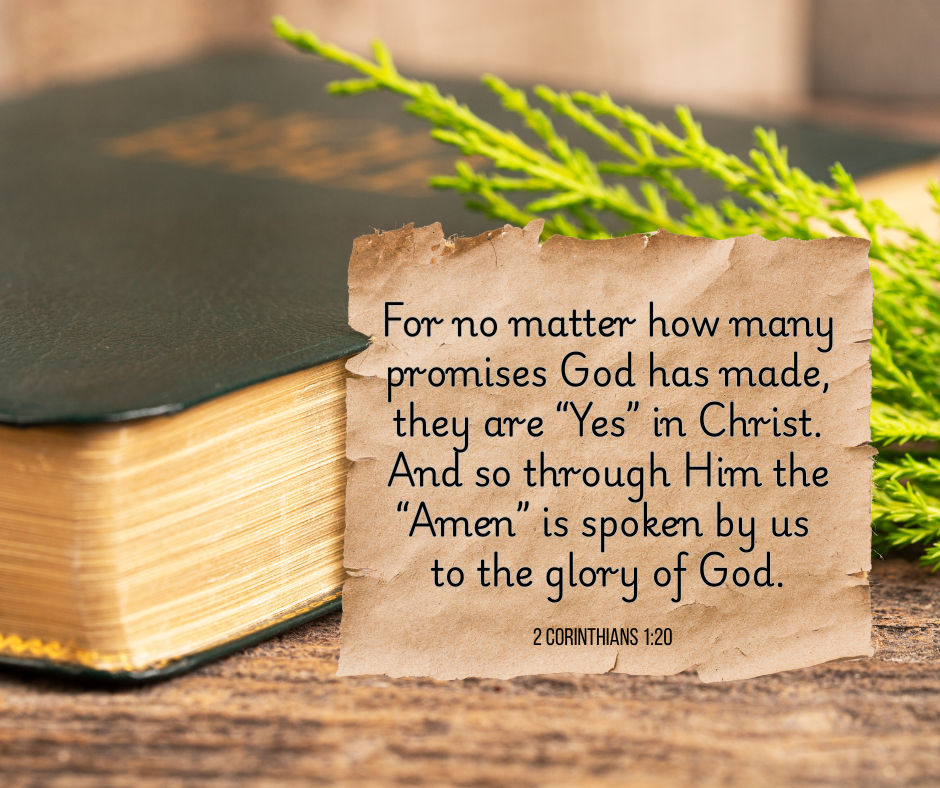
“For no matter how many promises God has made, they are ‘Yes’ in Christ.” (2 Corinthians 1:20, NIV) (Hymnary)
That means when God promises wisdom, comfort, strength, forgiveness, provision, guidance, peace, salvation — He isn’t offering possibilities. He is offering certainty in Jesus.
God’s promises are not fragile. They are not theoretical. They are not dependent on your perfect performance. They are grounded in His character — and fulfilled in Christ.
“Standing” is a choice before it’s a feeling
One reason this hymn has helped so many people is because it focuses on a posture: standing.
Standing implies:
I’m not running away.
I’m not collapsing in defeat.
I’m not drifting with the crowd.
I’m not building my life on shifting opinions.
I’m staying planted on what God has said.
Standing is rarely dramatic. It’s often quiet.
It looks like waking up and saying, “Lord, I still believe You.”
It looks like opening your Bible even when you feel numb and have no idea where to start.
It looks like praying again (even though you’ve prayed a dozen or more times), even when your last prayer felt unanswered.
It looks like obeying God in small ways, even when no one notices.
It looks like choosing hope when your mind is full of “what ifs.”
Standing isn’t pretending the storm isn’t there. Standing is refusing to let the storm decide what you believe.
Promises for the storm: doubt and fear
One theme connected with this hymn in many hymnals is that it’s especially suited for seasons of doubt, fear, and spiritual struggle. (Hymnary) And if we’re honest, those are not rare seasons. They’re part of life in a broken world.
Doubt says, “What if God doesn’t come through?”
Fear says, “What if things get worse?”
Discouragement says, “It’s not worth trying anymore.”
But God gives promises that speak directly into those voices:
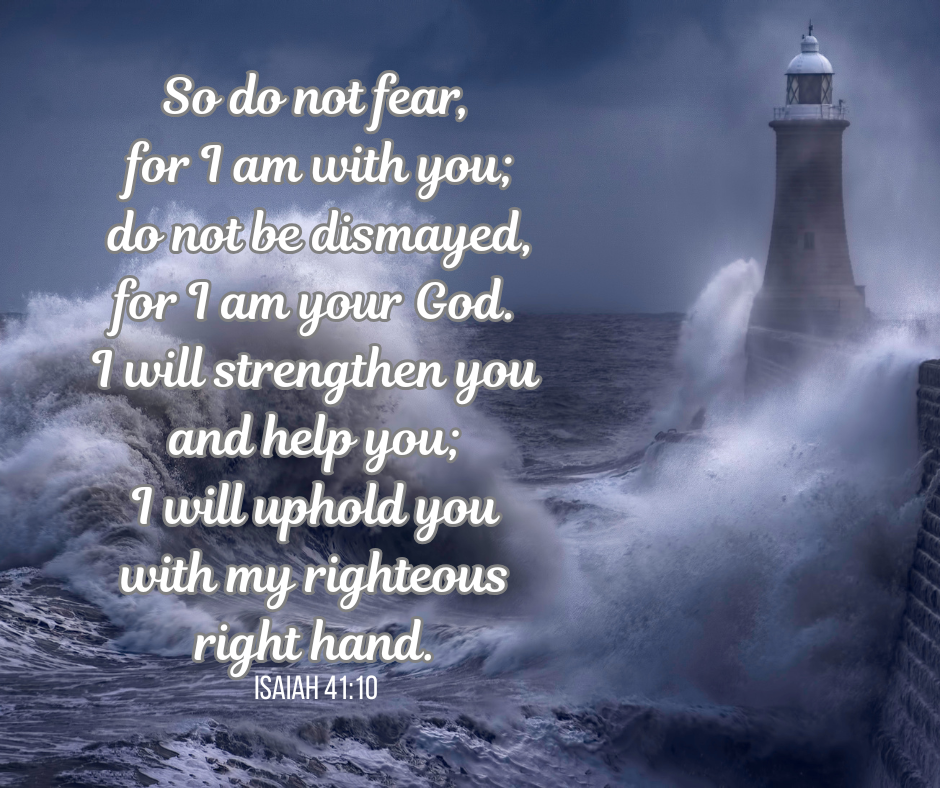
God will be with you. (Isaiah 41:10)
God will give you wisdom. (James 1:5)
God will supply what you need. (Philippians 4:19)
God will finish what He started. (Philippians 1:6)
God will never leave you. (Hebrews 13:5)
When you stand on God’s promises, you’re not standing on a prediction about the future — you’re standing on a Person who holds the future.
The “living Word” and a faith that holds
Hymnary.org lists several Scriptures commonly associated with “Standing on the Promises,” including Joshua 21:45, Hebrews 10:23, 2 Peter 1:3–4, and 2 Corinthians 1:20–22 — all passages that emphasize God’s faithfulness and the reliability of His Word. (Hymnary)
One of the most grounding verses for this devotional is:
“Let us hold unswervingly to the hope we profess, for He who promised is faithful.” (Hebrews 10:23, NIV)
Notice what that verse does:
It doesn’t deny hardship.
It doesn’t demand constant emotional confidence.
It points you to the faithfulness of God.
The reason we can hold on is not because we are strong — it’s because He is faithful.
So if you’re reading this and thinking, “I don’t feel strong,” you are exactly the kind of person this hymn was made for. You don’t have to feel steady to take a steady stance.
Standing doesn’t mean you never struggle
Sometimes believers think standing strong means never shaking. But real faith can tremble and still stand.
Think of the man in Mark 9 who cried, “I do believe; help me overcome my unbelief!” That prayer is not fake faith — it’s honest faith. And Jesus didn’t reject him. Jesus helped him.
Standing on the promises doesn’t mean you never have questions. It means you decide where your foundation will be while you’re working through the questions.
Practical Ways To Stand On God’s Promises
1) Name the storm
What is pressing on you right now?
Fear about a loved one?
Anxiety over money?
Uncertainty about the future?
Weariness from caregiving?
Disappointment or grief?
Shame over the past?
Be specific. You’re not “being negative” — you’re bringing reality into the light.
2) Find a promise that answers it
Don’t just grab a random verse like a fortune cookie. Ask:
“What has God said that speaks to this exact situation?”
For example:
If you’re anxious: Philippians 4:6–7
If you feel alone: Hebrews 13:5
If you need direction: Proverbs 3:5–6
If you’re overwhelmed: Matthew 11:28–30
If you’ve blown it: 1 John 1:9
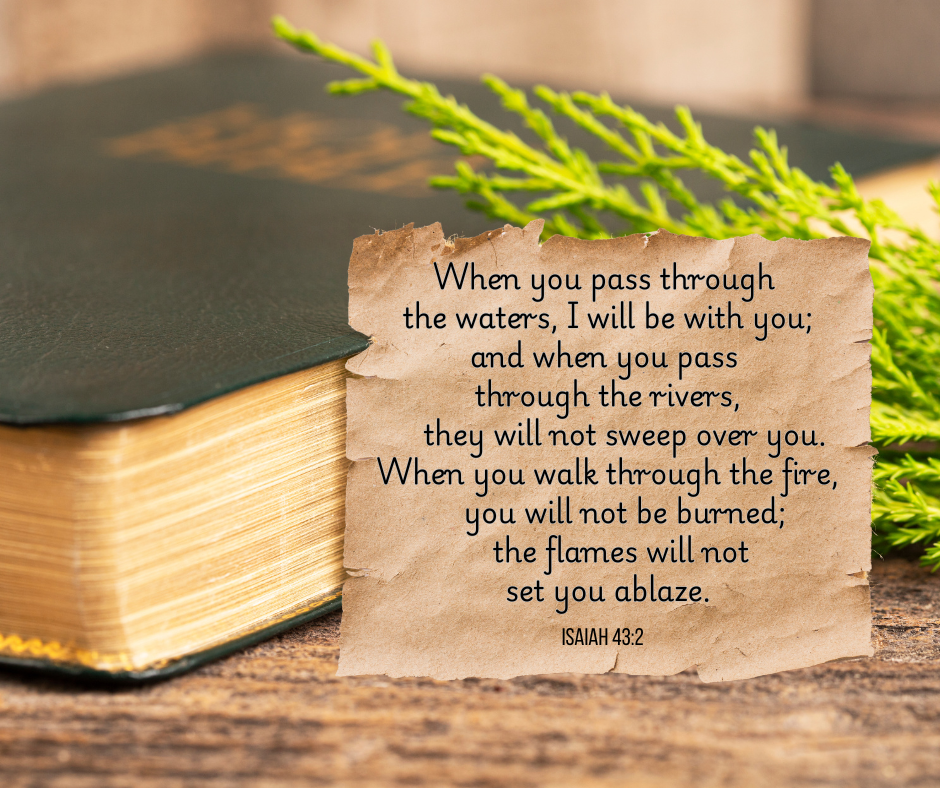
And if you’re doing Bible journaling, this is a beautiful moment to write the promise in big letters, then add smaller “truth statements” around it like:
“God is faithful.”
“God keeps His word.”
“God is with me.”
“God will guide me.”
A gentle warning: don’t stand on “almost-promises”
Sometimes we accidentally stand on things God never promised, like:
“If I do everything right, life will be easy.”
“If I have enough faith, I’ll never suffer.”
“If I serve faithfully, people will always treat me kindly.”
The Bible doesn’t promise ease. But it does promise presence.
It promises strength.
It promises wisdom.
It promises peace that guards your heart.
It promises eternal life.
It promises that Jesus will come again.
And those promises don’t crumble when circumstances do.

Standing on the Promises—One Day at a Time
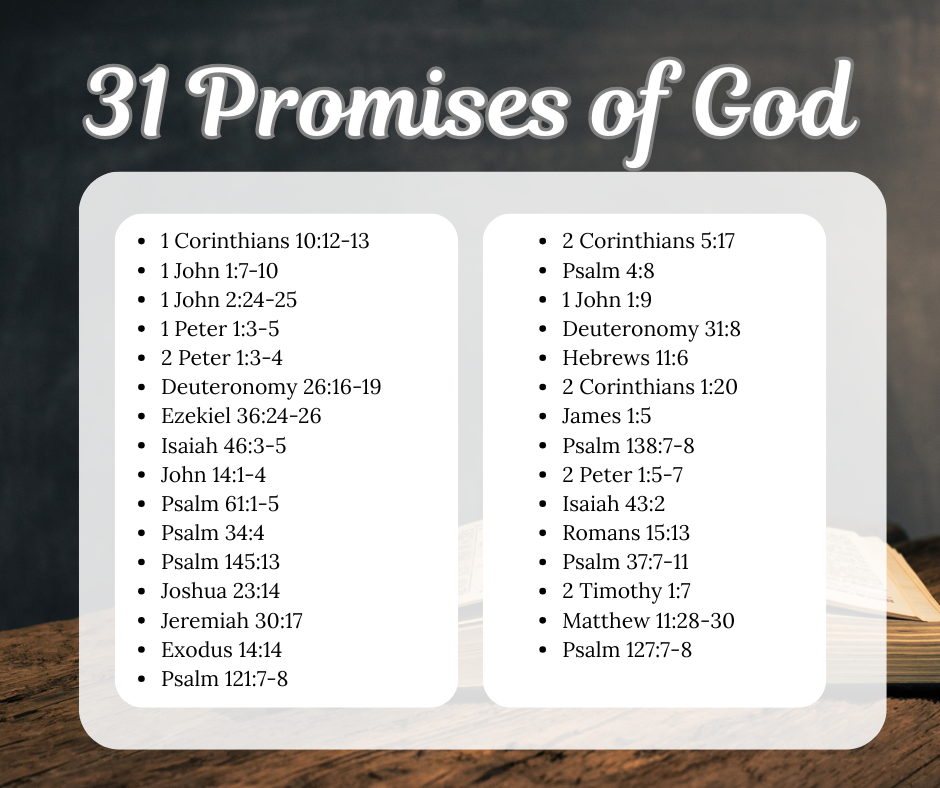
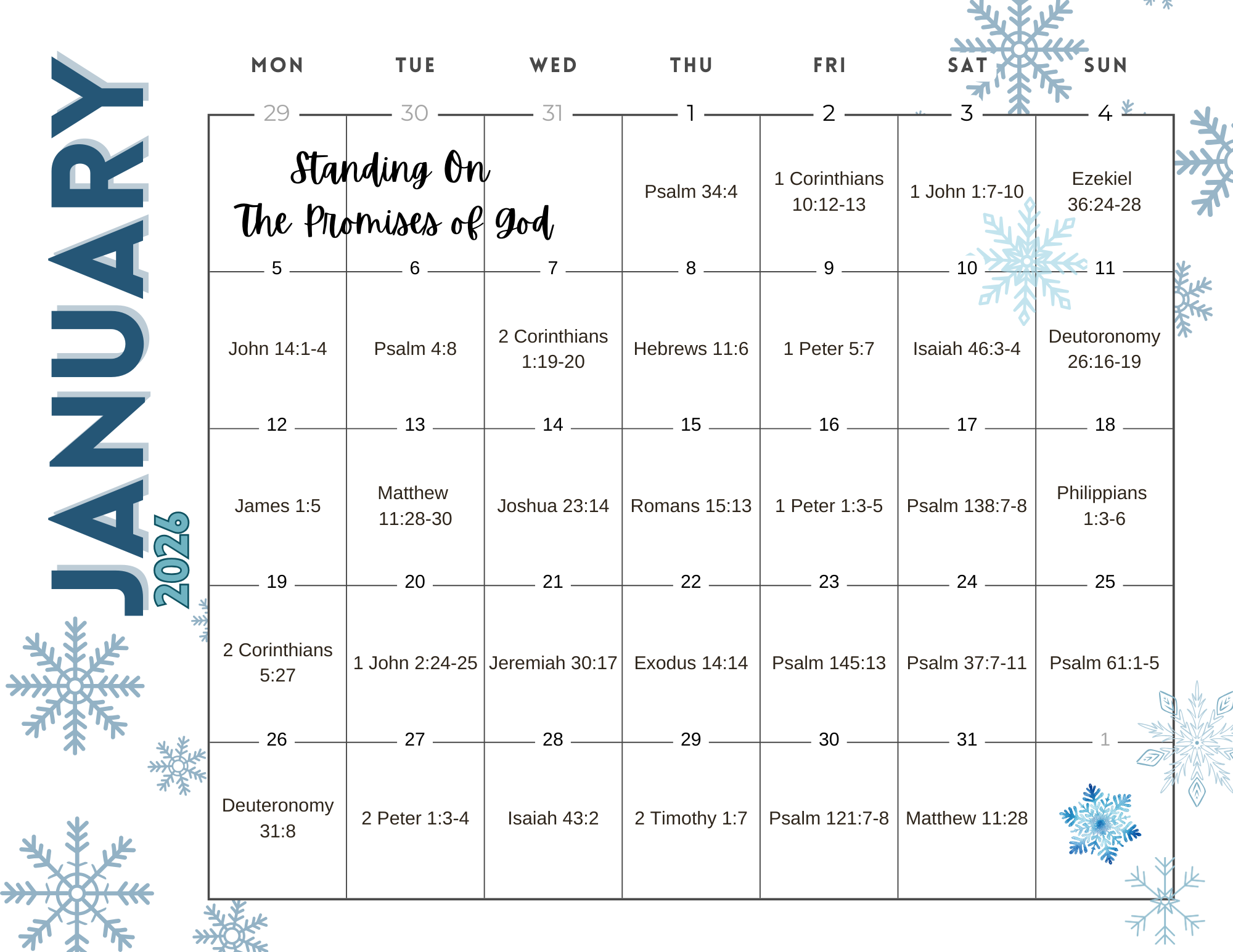
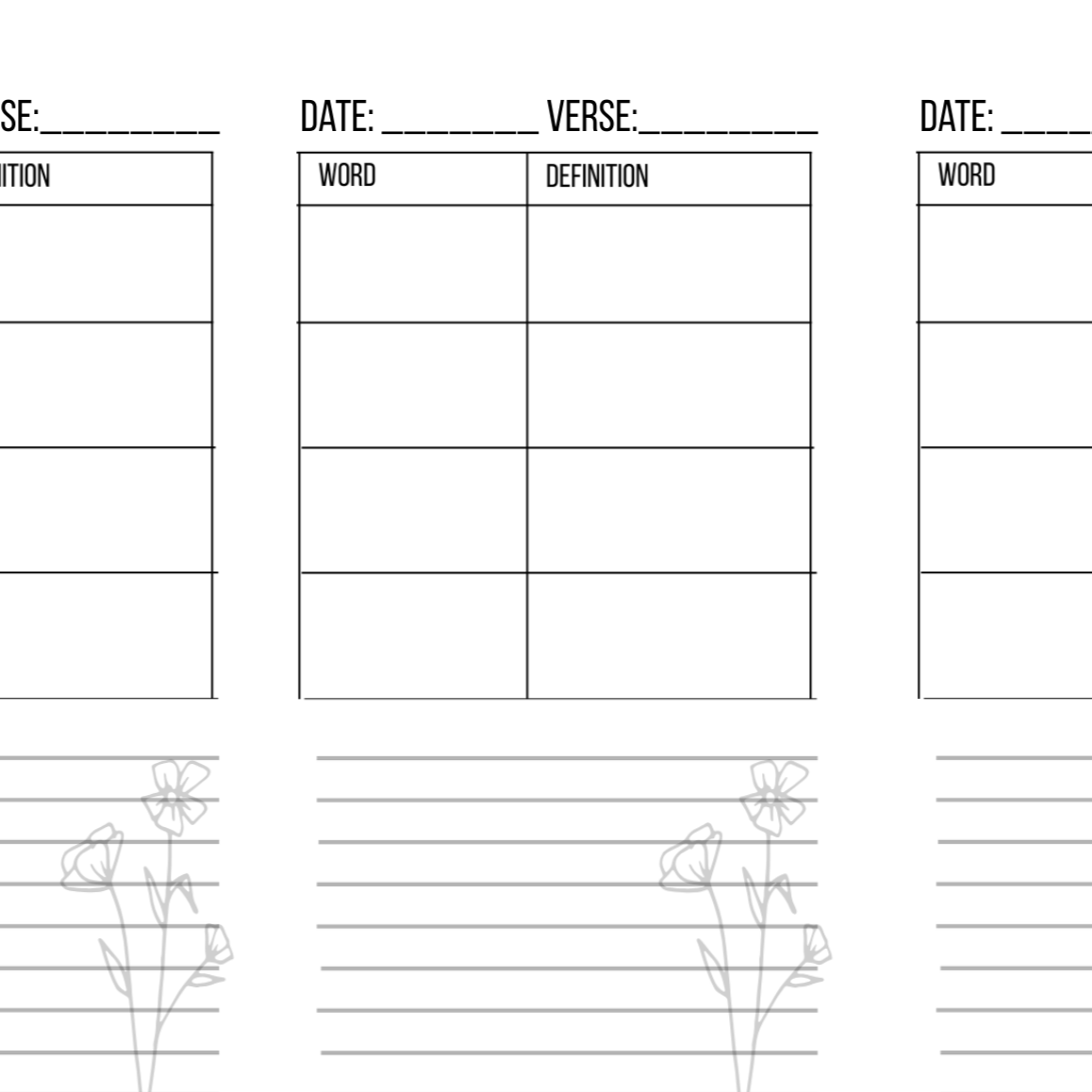
One meaningful way to live this hymn out is by intentionally creating a calendar of 31 promises—one promise for each day of the month that you can return to again and again. Instead of feeling overwhelmed by everything at once, this approach invites you to stand on God’s Word one day at a time, allowing each promise to sink deeply into your heart. Along with the calendar, I’ve included a simple journal card you can use in your Bible, art journal, or devotional notebook.
On the card, you might write out definitions of key words in the verse, jot down insights from commentaries that spark a new understanding, or reflect on how that promise speaks to your current season. Some days, it may simply become a place to write a prayer—placing your fears, hopes, and questions into God’s hands as an act of trust. Over time, these small, faithful moments build a tangible record of God’s truth and your journey of standing firmly on His promises.
Reflection Questions
What situation in your life currently feels unsteady or uncertain?
What is one specific promise from Scripture you can “stand on” this week?
Are you more tempted to stand on feelings, circumstances, or God’s Word? Why?
What would it look like (practically) to put your weight on God’s promise today
Closing Prayer
Lord, thank You that You are faithful and Your Word is true. When my heart feels unsteady and my mind is filled with “what ifs,” help me stand on what You have promised. Teach me to hold unswervingly to the hope I have in Christ. Strengthen my faith, steady my steps, and remind me that You are with me. I choose today to trust You — not because life feels easy, but because You are good. In Jesus’ name, amen.