
“I Am the Light of the World”
Understanding John 8:12 Through the Feast of Tabernacles
The Setting: The Feast of Tabernacles
To understand the depth of Jesus’ words, we have to step back into the Old Testament.
The Feast of Tabernacles — also called Sukkot — was a joyous, weeklong Jewish harvest festival held five days after Yom Kippur. It celebrated two things:
God’s provision during the 40 years the Israelites wandered in the wilderness.
The final harvest of the agricultural year — a time to rejoice and give thanks for God’s blessings.
Families built temporary shelters called sukkot (meaning “booths” or “huts”) with open roofs made of branches so they could see the stars. These shelters reminded them of the fragile dwellings their ancestors lived in — a vivid symbol of dependence on God’s protection and provision.
The festival was filled with joy, music, hospitality, and worship — so much so that it’s called Z'man Simchateinu, “The Season of Our Rejoicing.”
The Illumination Ceremony
Every evening during Sukkot, the Temple in Jerusalem glowed with light.



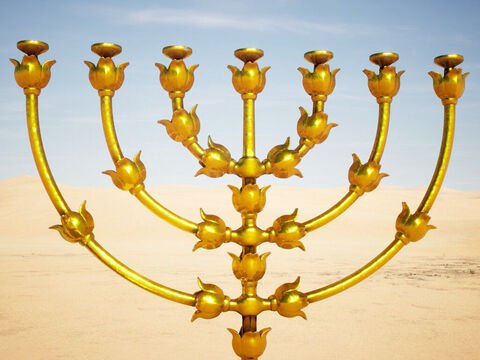
In the Court of Women, four golden lampstands — each about 75 feet tall — held massive bowls filled with olive oil. Priests climbed ladders to light them using worn-out priestly garments as wicks.
The light from these lamps was said to illuminate every courtyard in Jerusalem, reflecting off the city’s limestone walls. The Mishnah records that “Whoever has not seen the joy of the lighting of the lamps of Sukkot has never seen joy in his life.”
The brilliant light recalled the pillar of fire that led Israel through the wilderness by night (Exodus 13:21). It was a symbol of God’s guidance, protection, and presence.
Jesus’ Declaration
Against this dazzling backdrop, Jesus stood in the Temple and said,
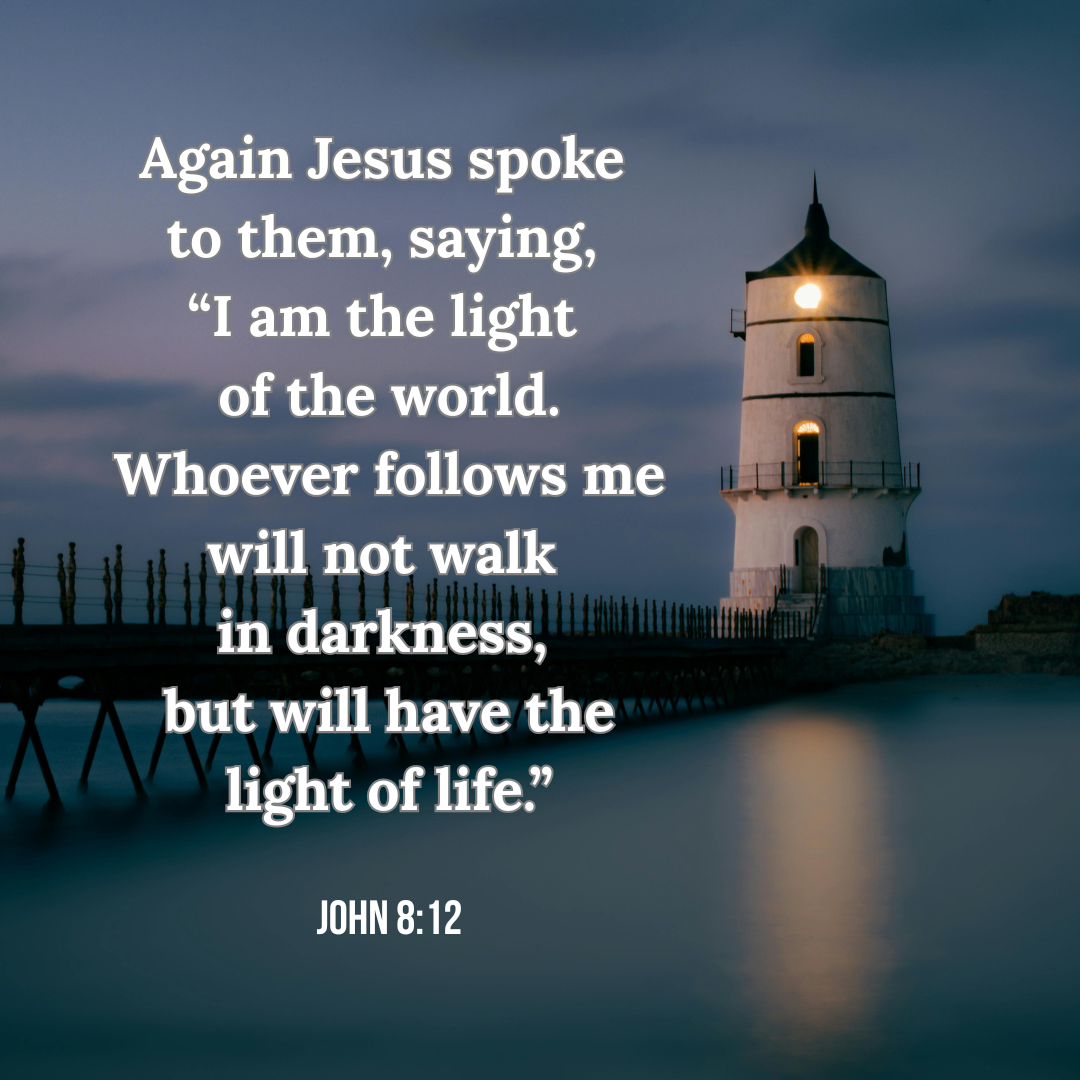
“I am the Light of the world.”
Imagine it — golden lampstands towering behind Him, their glow visible for miles. The people remembered the pillar of fire that guided their ancestors. Now Jesus was declaring that He is that same divine light — not just for Israel, but for the entire world.
He wasn’t just claiming to provide light; He was identifying Himself as the Light — the source of truth, hope, and eternal life. Just as the pillar of fire led the Israelites through darkness, Jesus leads us through the darkness of sin, confusion, and fear.
The Spiritual Meaning
Jesus is the fulfillment of prophecy.
Isaiah 60:19–20 foretold a time when “the Lord will be your everlasting light.” In declaring “I Am,” Jesus claimed to be the divine presence that Israel longed for.He offers light and life.
In John 7, during the same feast, Jesus offered “living water” — now He offers the “light of life.” Together, these symbols point to the Holy Spirit and the transformation that only He can bring.He exposes and heals the darkness within.
Just before this declaration, Jesus forgave the woman caught in adultery. In that moment of shame and judgment, His light revealed truth — but also mercy. As Lysa TerKeurst says:— “Jesus said that once we have the light we will not walk in darkness. But He did not say that He would take the darkness away.”
—“The light doesn’t remove every shadow; it helps us see through it with faith.”
Light Bearers in a Dark World
If Jesus is the Light of the world, then we are called to reflect His light.
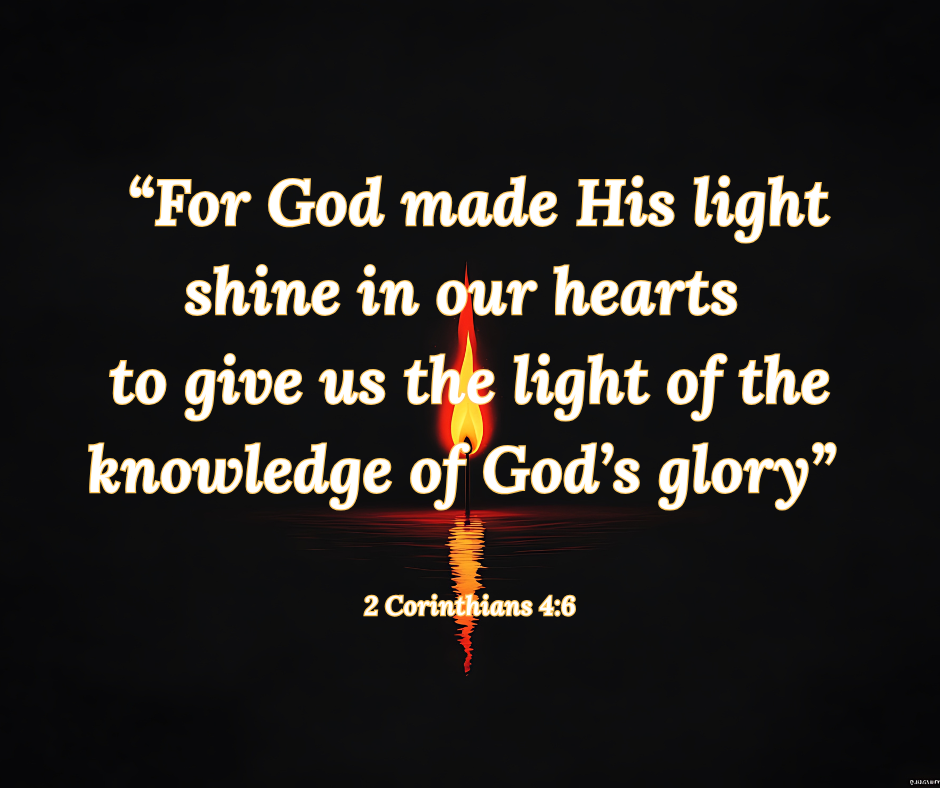
We aren’t the source — we’re the mirrors. As Paul wrote, “For God… made His light shine in our hearts to give us the light of the knowledge of God’s glory” (2 Corinthians 4:6).
But sometimes we struggle to believe we can carry His light — our past, our failures, or our fears make us feel unworthy. Yet, it’s precisely in our weakness that His light shines brightest.
Our stories — even the broken ones — testify to His power to heal and redeem.
A Personal Moment
Several years ago, my daughter worked for a Christian radio station that hosted a sponsor event at the Biblical Arts Museum in Dallas.
At the time, I was studying Lysa TerKeurst’s Finding I Am and had just completed the lesson on “I Am the Light.”
I had always wondered how those massive temple lamps could possibly illuminate an entire city — until I walked into the museum and saw three enormous replicas of ancient lampstands. They towered over me, and suddenly the magnitude of Jesus’ words hit my heart.
Standing before those lamps, I realized just how powerful His declaration truly was — He wasn’t just lighting a city. He was lighting the world.
A Final Reflection
The Feast of Tabernacles reminds us of God’s faithful presence, both then and now. When the Israelites followed the pillar of fire, they trusted that God would lead them safely. We, too, are called to follow the Light — not camping in our comfort zones but moving when the cloud lifts.
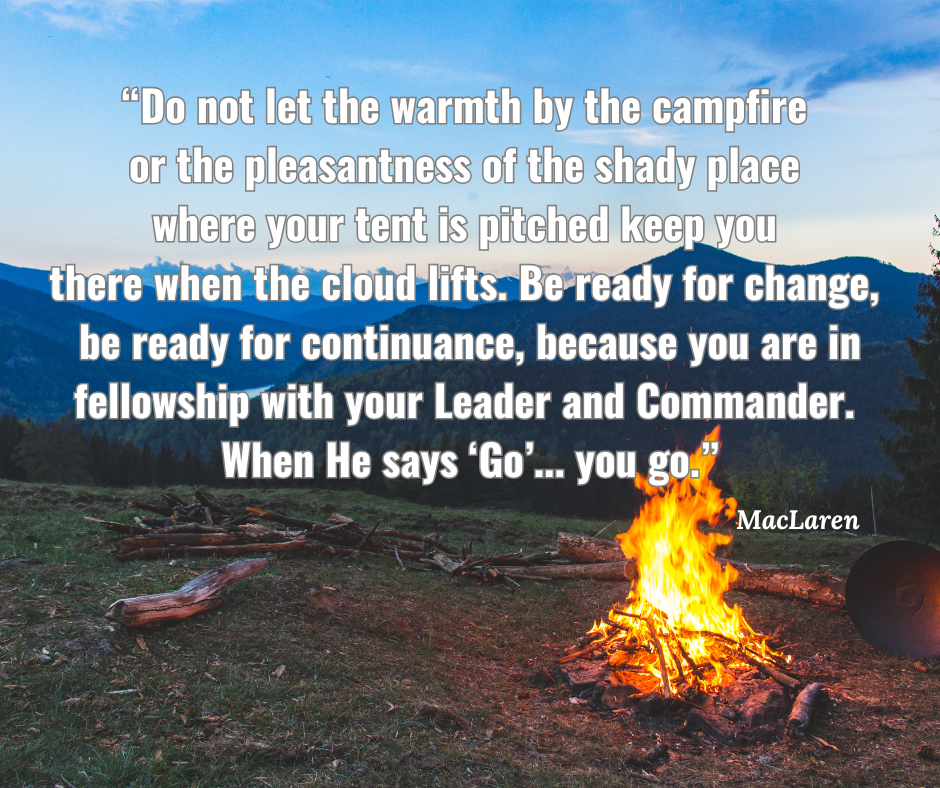
As MacLaren beautifully said:
“Do not let the warmth by the campfire or the pleasantness of the shady place where your tent is pitched keep you there when the cloud lifts. Be ready for change, be ready for continuance, because you are in fellowship with your Leader and Commander. When He says ‘Go’... you go.”
Jesus is still that guiding Light — steady, unfailing, and eternal.
Reflection Questions
Where do you see God’s light guiding you right now?
Is there an area of your life where you’ve been walking in darkness
How can you reflect His light to others this week?
Closing Prayer
Lord Jesus, Light of the World,
Thank You for being our constant guide through both the bright days and the dark nights. Just as You led Israel with a pillar of fire, lead us now with Your truth and love. Shine into the hidden places of our hearts—expose what needs healing, ignite what needs courage, and fill us with the warmth of Your presence. Help us to reflect Your light wherever we go, that others may see Your goodness and glorify Your name.
In Your precious and powerful name we pray, Amen.